Modular Products
🌟 Our Modular Story
At Pocket Prints, we set out with a simple but powerful challenge: could we design products that were repairable instead of disposable? That question sparked the creation of the Octopus, our very first modular product. What began as a fidget quickly became a platform for imagination, unlocking more than 500 billion possible variations and proving that creativity scales when design is modular.
From there, our ecosystem grew. The Spider reused Octopus legs to form a new creature, the Axolotl introduced fresh leg designs while keeping the same connectors, and even the Dragon, with its push‑fit body pieces, showed how modularity can take different forms. Most recently, we’ve expanded beyond creatures with a modular dice tower, bringing the same principles of repairability, customization, and play into tabletop gaming.
✨ The Benefits of Modularity
- Repairable by design: broken parts can be swapped, not discarded.
- Limitless creativity: billions of possible combinations across creatures and accessories.
- Cross‑compatibility: shared connectors mean parts work together, multiplying possibilities.
- Sustainable play: longer lifespans, less waste, and more value for families.
- Learning through fun: children discover engineering principles while building their own bespoke designs.
- Less manufacturing waste: each multi coloured print creates a lot of waste, the modular design allows single colour prints to be combined.
This is more than a collection of products — it’s a modular universe where imagination, sustainability, and play come together. Every new design adds to the ecosystem, empowering children to create, repair, and reinvent endlessly.
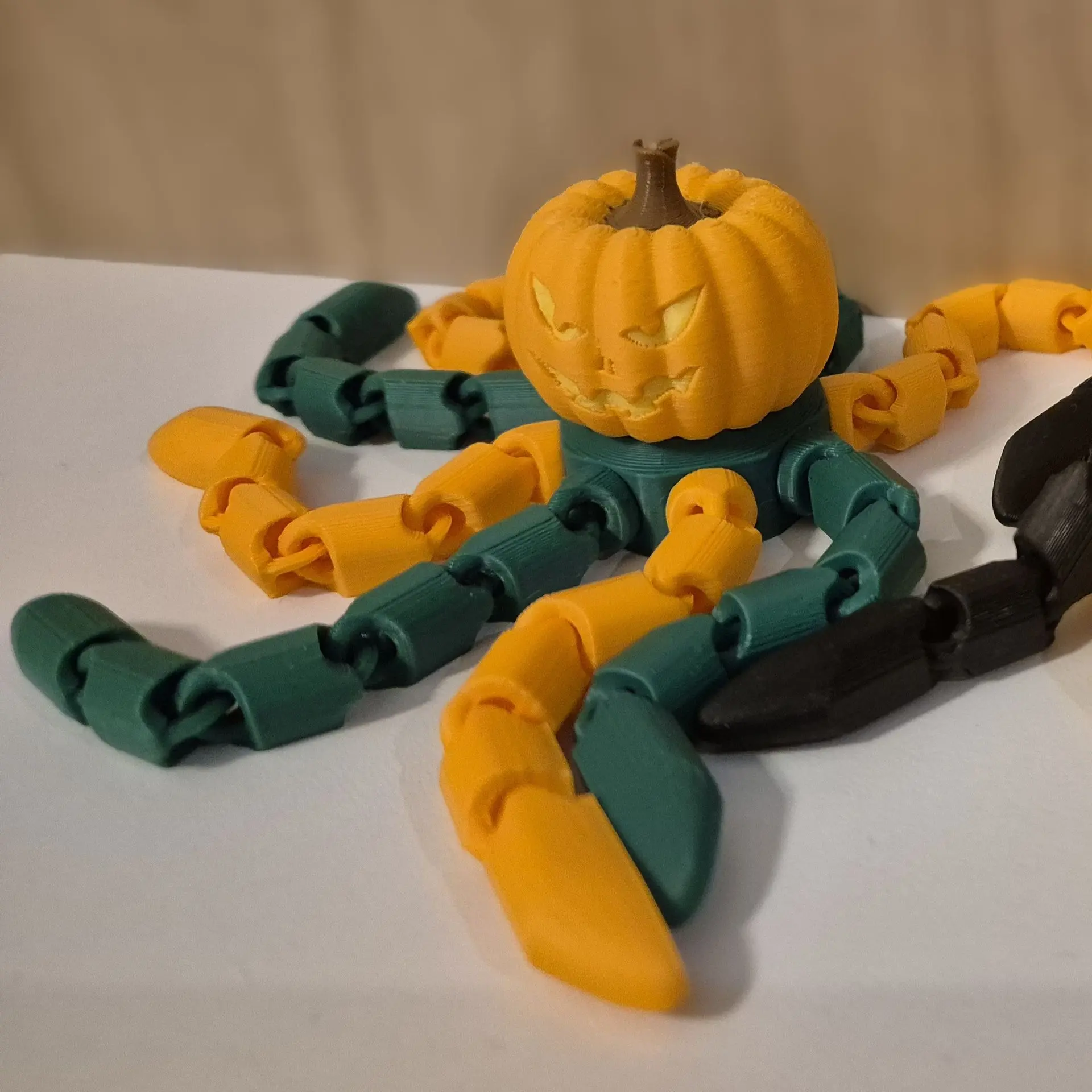
🐙 Octopus — Our First Modular Product
What began as a challenge — could we design something that could be repaired instead of replaced? — evolved into a breakthrough. The Octopus isn’t just a fidget; it’s a platform for imagination.
Children can swap parts, invent new combinations, and create a truly bespoke design every time. The modular approach means every Octopus is unique, personal, and sustainable.
At the time of writing, the number of possible variations exceeds 500,000,000,000 — that’s five hundred billion ways to build, customize, and re‑imagine. It’s proof that when design is modular, creativity scales beyond what anyone thought possible.
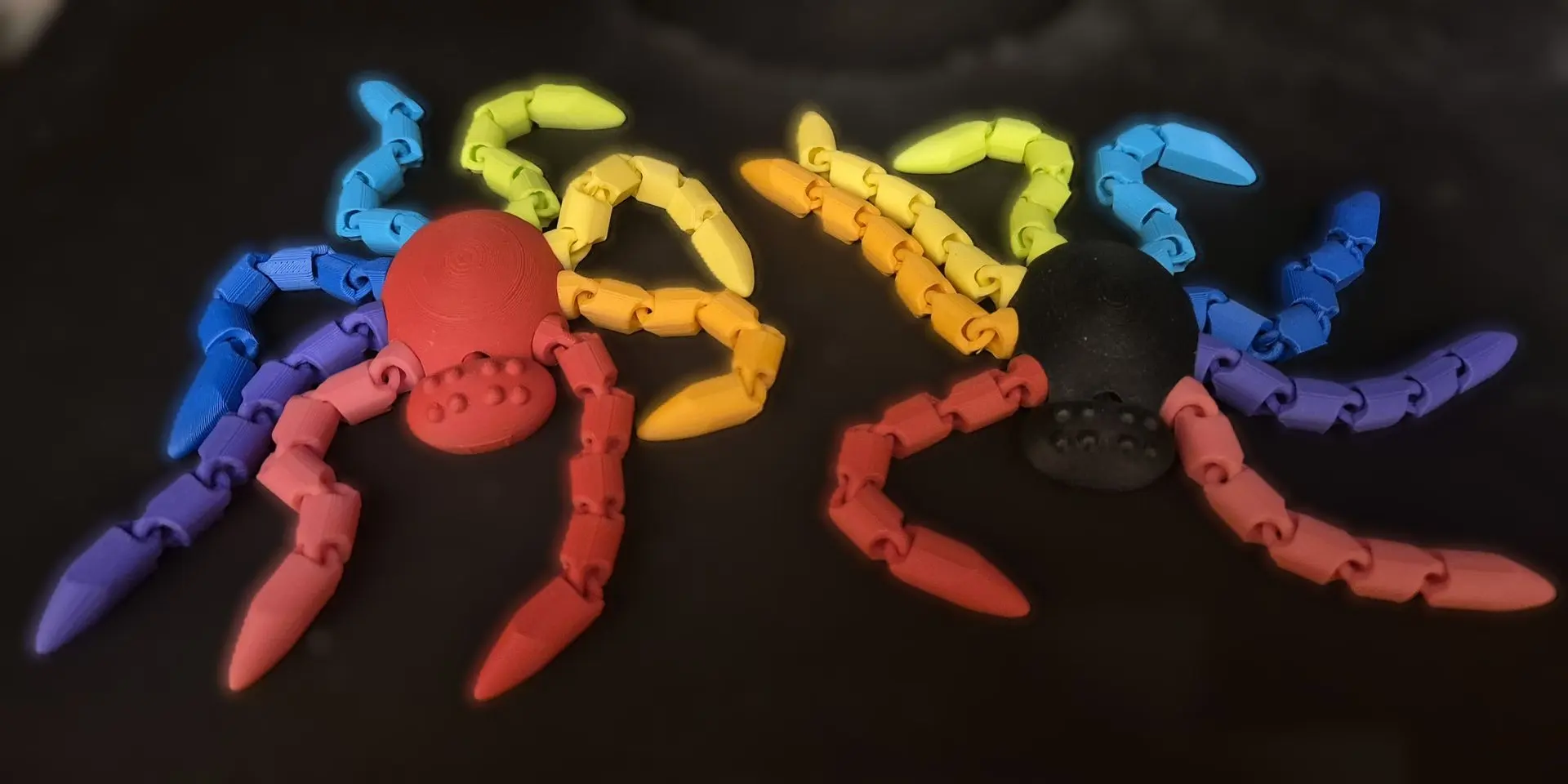
🕷️ Spider — Built on Octopus Legs
The Spider is our second modular innovation, born from the same philosophy as the Octopus. By re‑using the Octopus legs, we’ve created a creature that’s instantly familiar yet entirely new.
This design shows the true strength of modularity: parts aren’t locked into one product, they become building blocks for imagination. Children can take what they already know, extend it, and invent something fresh — a Spider that crawls, twists, and fidgets in ways only they can decide.
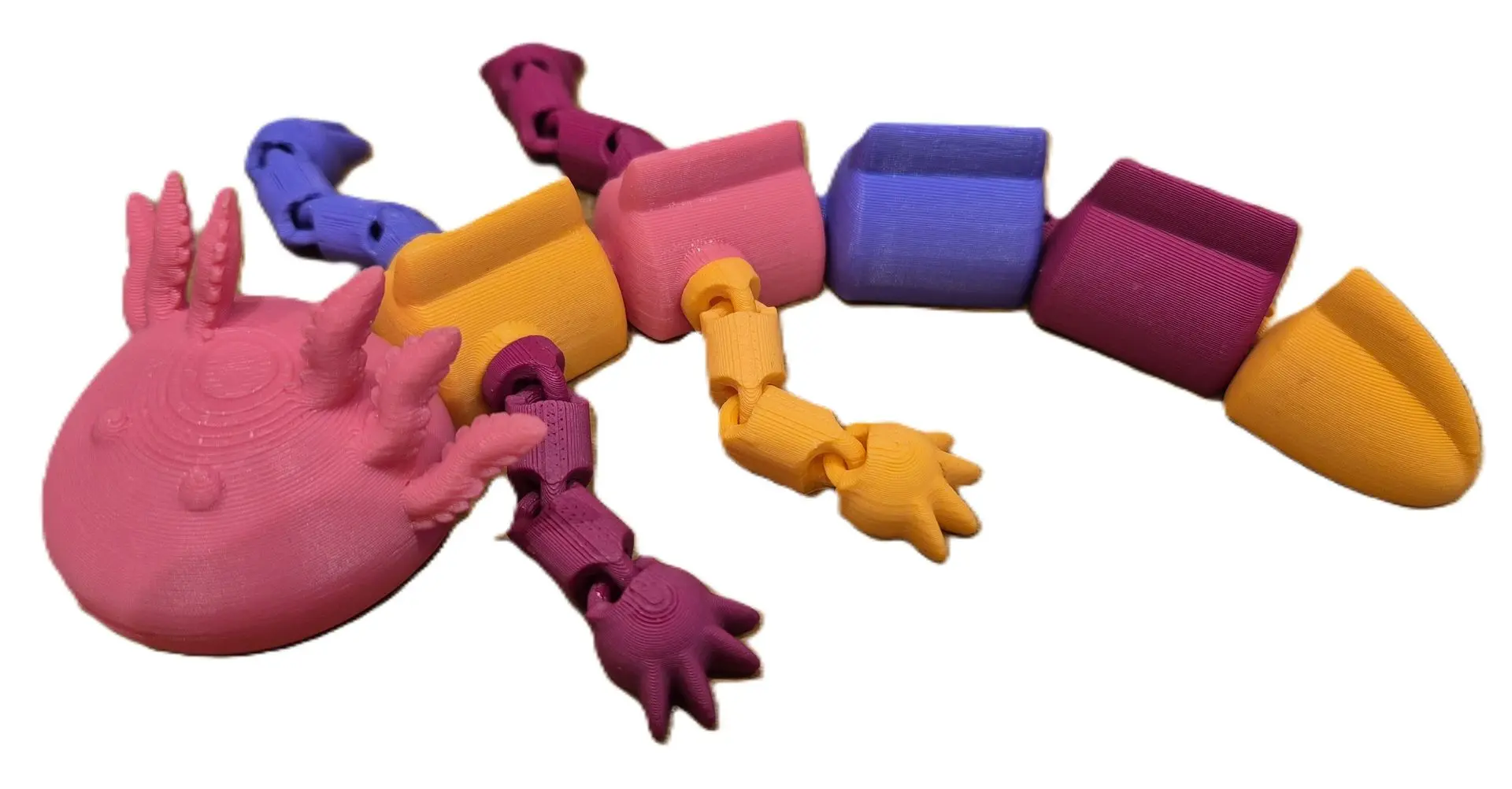
🦎 Axolotl — Modular Connectors, Unique Legs
The Axolotl takes the modular foundation of the Octopus and Spider but pushes it further. Instead of re‑using the same legs, it uses the shared connector system while introducing entirely new leg designs.
This demonstrates the beauty of modularity: the connectors create a common language across products, while the modules themselves can evolve. Children discover that the same “plug‑in” system can generate creatures with completely different personalities and functions.
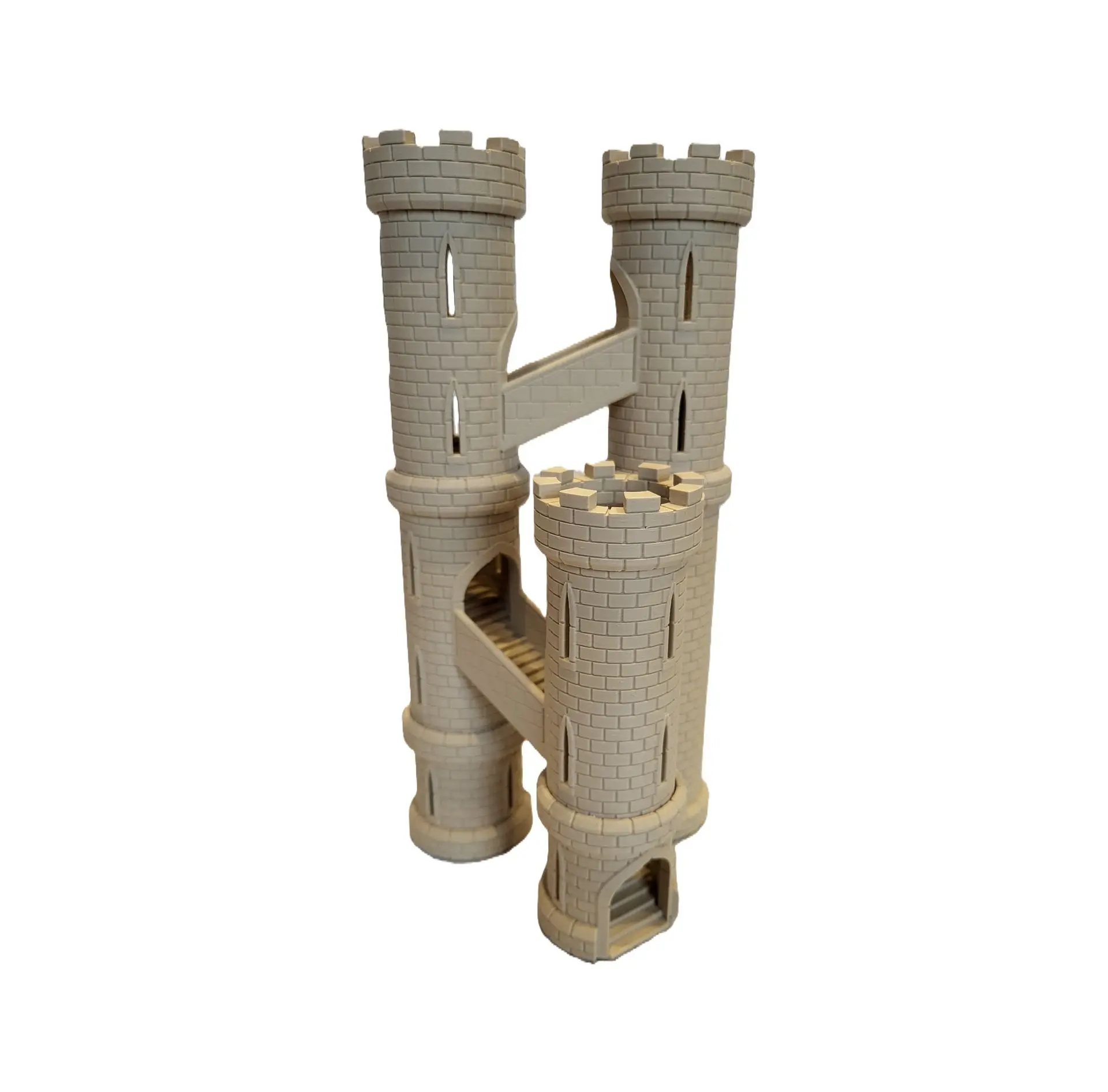
🎲 Modular Dice Tower
The Dice Tower is designed with the same modular spirit as our creatures. Instead of being a single fixed design, it’s built from twist lock stackable modules that can be rearranged, expanded, or repaired.
Players can start with a simple tower and then add sections to expand its size.
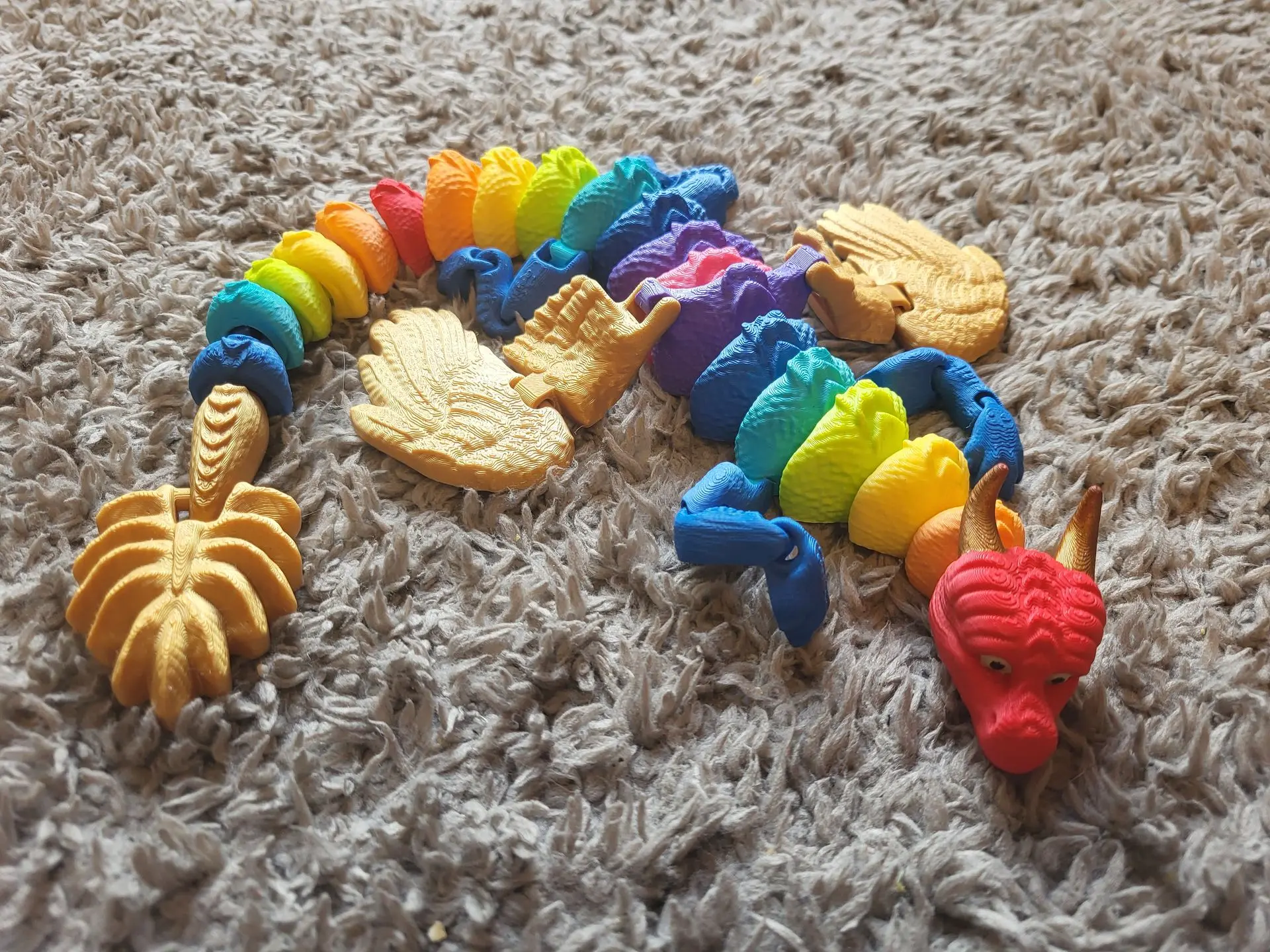
🐉 Dragon — Push‑Fit Body Design
The Dragon isn’t ours originally, but it demonstrates another modular pathway. Its body segments push together to form a complete creature. This shows children that modularity isn’t limited to one system — it can be about how parts lock, snap, or slide into place.
Click here to purchase one of these amazing dragons
Click here for build instructions